News

This Month in Piano History – May 2026


In this post remembering important events from piano history in the month of May, learn about the births of several pianists and composers along with an important musical premiere that resulted in protest!

A black-and-white portrait of Johannes Brahms in a dark suit.
Johannes Brahms

May 7, 1833 – Birth of Johannes Brahms

Born in Hamburg, Germany, Johannes Brahms was one of the most prominent composers of the nineteenth century. After being declared the heir to Beethoven’s legacy by Robert Schumann, Brahms’ status as a virtual unknown changed to that of a musical celebrity overnight. In addition to his significant symphonic and chamber output, Brahms is well known for his rich piano oeuvre which includes variation sets, sonatas, rhapsodies, and collections of miniatures. Curious to learn more about Brahms and his piano music? Check out these two videos about Brahms’ music by Catherine Kautsky and Jarred Dunn:

May 14, 1943 – Birth of Tania León

Born in Havanna, Cuba, Tania León is a leading Cuban-American composer. A student of Leonard Bernstein and Seiji Ozawa among others, her work as a conductor in addition to composer is well known. In 2021, León’s symphonic work Stride was awarded the Pulitzer Prize in Music recognizing her brilliant skill as a composer. León’s musical output is large and broad, and includes several piano compositions including some virtuoso works as well as a few at the late-intermediate and early-advanced levels. Interested in learning about more pedagogical pieces by women composers? Read Cole Bruger’s article below about works by women composers for elementary and early-intermediate students:

May 23, 1923 – Birth of Alicia de Larrocha

Spanish pianist Alicia de Larrocha was born in Barcelona, Spain. Prized for her interpretations of Spanish composers, her recordings have been awarded significant honors including multiple Grammy awards. Her recording of Albéniz’s masterpiece Iberia is one of her most acclaimed discs and includes all four books of this piece showcasing Spanish dances from regions throughout Spain. Want to learn more about Spanish music? Read this article by Nancy Bachus and Olga Kuehl-White to discover more about important Spanish composers and their work:

May 29, 1913 – Stravinsky’s The Rite of Spring premieres

Stravinsky’s The Rite of Spring is a ballet commissioned by Serge Diaghilev as part of the Ballets Russes. Despite the popularity of the work today, audiences in 1913 Paris reacted in outrage. Composed in two parts, the work depicts the sacrifice of a young girl during the arrival of spring. Along with the orchestral version, Stravinsky published a four-hand version for piano. Interested in learning more about this work? Check out William Fried’s article about his experience preparing and performing The Rite:


OTHER RESOURCES YOU MIGHT ENJOY:
Not yet a subscriber? Join for only $36/yr.
  • You might like…

    Robert Schumann and the art of musical composition
    Only current subscribers can view this content. Subscribe now. Username Password Remember Me     Forgot Password
    Read More

Want more than a preview?
Subscribe to unlock full videos, webinar archives, and articles!


NSMS Silent Film Celebration: A Community Comes Together Through Piano


An image from the NSMS Silent Film Celebration featuring students performing piano solos to silent films.
Students from the NSMS performing for the Silent Film Celebration in April 2026.

On April 18, 2026, The New School for Music Study held its Fifth Silent Film Celebration at the AMC Bridgewater 7. More than 115 pianists, from young beginners to adults, took part in a collaborative performance project accompanying silent films.

Each student prepared 30–90 seconds of music for a specific film scene. As the films played, students rotated at the piano, creating a continuous live soundtrack. The program included short films (20–30 minutes) featuring Charlie Chaplin, Buster Keaton, and others. This format was similar to early cinema, when pianists helped shape mood and pacing in real time. 

Preparation began several months in advance. Students and teachers first chose a film, then selected a favorite clip. Each clip suggested a mood, such as “dramatic tension” or “joyful.” From there, students either composed their own music to match the action or selected pieces from their lesson repertoire. The project gave them a chance to experience music in a new way—fun, engaging, and part of a story the whole family could enjoy.

The event brought together local teachers and studios in one shared program. Students performed alongside pianists they hadn’t met before. Throughout the day, performers supported one another, and the audience experienced it as a continuous event. This created a strong sense of connection and shared purpose while keeping the performances focused and engaging.

Beyond the event itself, programs like this play an important role in strengthening our musical community. Organized by The New School for Music Study (NSMS), the program reflects a belief in the transformative power of music-making. As a community music school serving more than 400 piano students of all ages and levels, NSMS brings together students, teachers, and families in shared creative experiences that extend beyond the studio. With over 65 years of service to the Princeton community, NSMS continues to build connection through music. The Silent Film Celebration is, to our knowledge, the only event of its kind organized by a community music school in New Jersey.

We are especially grateful to the NSMS Advisory Committee, adult students from both the performance and teaching education programs, and members of the community for their support of the core team organizing the event. This event was made possible in part by funds from the Somerset County Cultural & Heritage Commission, a partner of the New Jersey State Council on the Arts.

Learn more about teaching and professional development opportunities at The New School for Music Study by clicking here.

MORE ON THE NEW SCHOOL FOR MUSIC STUDY

Not yet a subscriber? Join for only $36/yr.
  • You might like…

    Robert Schumann and the art of musical composition
    Only current subscribers can view this content. Subscribe now. Username Password Remember Me     Forgot Password
    Read More

Want more than a preview?
Subscribe to unlock full videos, webinar archives, and articles!


Piano Magazine Collegiate Writing Contest 2026


Piano Magazine is proud to sponsor this exciting contest showcasing the talents of tomorrow’s teachers! Collegiate students may write a 1,500-word article on a piano pedagogy related topic of their choosing. Submissions must be received by May 1, 2026. Submissions should include contestant’s full contact information, university degree program, and pedagogy or major professor (name and email) on a separate cover page. Submit articles in a Word document using 12-point, Times New Roman font with double spacing. A panel of professional pianists will evaluate submissions based on content, clarity, originality, value to the profession, and writing style. 

Grand PrizePublication in a forthcoming issue of Piano Magazine

The entry deadline for the 2026 contest is 11:59 pm Pacific Time on May 1, 2026No late entries will be accepted.


The Most Essential Collegiate Student Resource

Piano Magazine is an essential resource for collegiate students. We offer collegiate group subscriptions and student discounts to help students stay informed with research-based articles, interviews, and resources designed to support your teaching and your students’ learning. Share code COLLEGE2526 with your peers and colleagues for 20% off your subscription by May 1, 2026 at PianoInspires.com.


MORE ON THE COLLEGIATE WRITING CONTEST

Not yet a subscriber? Join for only $36/yr.
  • You might like…

    Robert Schumann and the art of musical composition
    Only current subscribers can view this content. Subscribe now. Username Password Remember Me     Forgot Password
    Read More

Want more than a preview?
Subscribe to unlock full videos, webinar archives, and articles!


5 Reasons to Submit a Proposal to The Piano Conference: NCKP 2027


We would like to thank Megan Hall and Curtis Pavey for this insightful article about why you should submit a proposal to The Piano Conference: NCKP 2027. The last chance to submit your proposals via our proposal submission portal is 11:59pm PDT on Sunday, October 11, 2026. 

A presentation at The Piano Conference: NCKP 2023.
The Piano Conference: NCKP.

1. Share your teaching practices, scholarship, and research.

The Piano Conference seeks innovative ideas, fresh perspectives, and inspired thinking for the future of piano education worldwide. Whether your research focuses on diversity, equity, and inclusion; creative music making; or interdisciplinary studies; we look forward to exploring trailblazing ideas. See the wide range of topics at the proposal page!

Nanyi Qiang speaks at The Piano Conference: NCKP 2023.
Nanyi Qiang

2. Connect and network with professionals in the field.

Pianists and music teachers from around the globe attend The Piano Conference, and the gathering in 2027 is on track to be the most exciting event yet. The opening one-day summit provides an interactive gathering for all to collectively share, dialogue, and exchange ideas around the immediate challenges, opportunities, and global impact of piano education. Come ready to share and learn from members of our community.

Young professionals at The Piano Conference: NCKP 2023.

3. Build your resume.

Presenting at The Piano Conference provides resume-building presentation experience. Each lightning talk, lecture recital, workshop, keyboard lab, panel, and presentation adds to your professional portfolio and increases individual marketability. The program results from a rigorous blind review and committee process, which ensures there is a wide range of presenters and topics at The Piano Conference.

Allison Keep speaks at The Piano Conference: NCKP 2023.
Allison Keep

4. Learn more about the art of piano pedagogy.

Inspired teachers create inspired students. In the words of Frances Clark, “A piano lesson should be a happening. Something happens at a piano lesson so that when you walk out of the studio, you feel different from when you walked in.” Learning to inspire the next generation of musicians, teachers, and music lovers requires striving for the highest standards. Come to learn more about how members of our community are inspiring their students.

Vanessa Cornett speaks at The Piano Conference: NCKP 2023.
Vanessa Cornett

5. Engage with luminaries in the field!

Hear words of wisdom and motivation from pedagogical leaders and be inspired to refresh your teaching, performing, and professional life. Keynote and PEDx speakers will remind you of your positive impact on your communities and the world.

Jennifer Snow speaks at The Piano Conference: NCKP 2023.
Jennifer Snow

Do you have research you want to share with the piano pedagogy community? Submit a proposal to The Piano Conference: NCKP 2027 by clicking here, or submit a manuscript to the Journal of Piano Research by clicking here.

MORE ON THE PIANO CONFERENCE: NCKP
Not yet a subscriber? Join for only $36/yr.

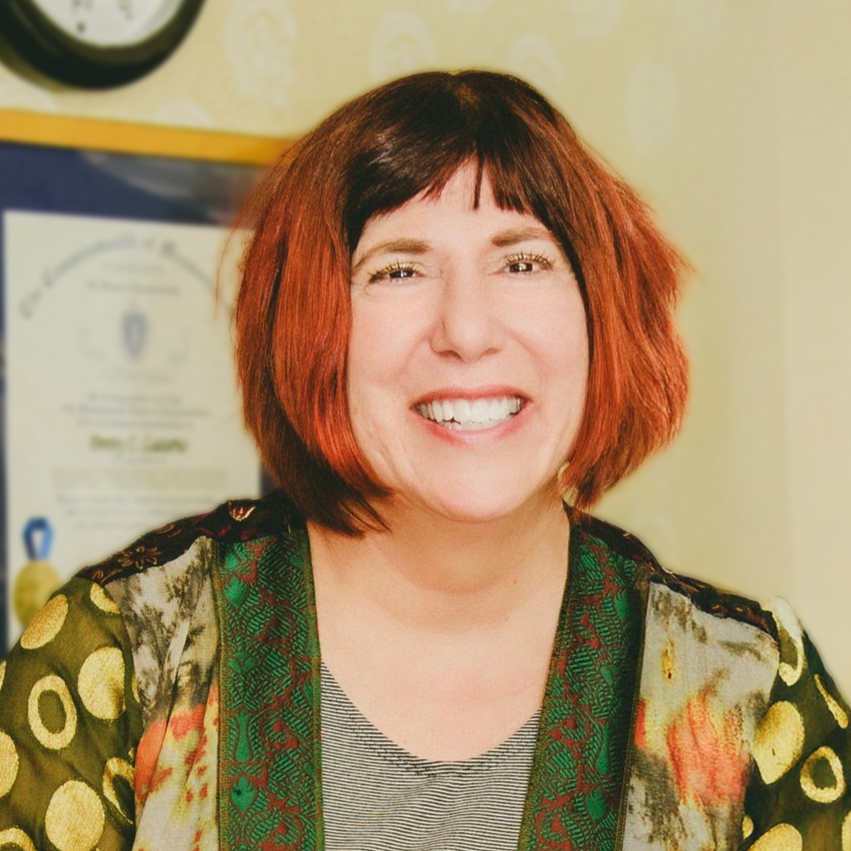
Spotlight on Penny Lazarus


Penny Lazarus, 2025 recipient of The Frances Clark Center Community Impact Grant.
Penny Lazarus

To celebrate Earth Day 2026, we are spotlighting a member of our community known for her fundraising efforts for multiple environmental causes. Lazarus is a piano teacher based in Massachusetts. Her work is well known in her community as she is a regular volunteer at the Newburyport Public School System in addition to her piano studio. In 2025, she was awarded a Community Impact Grant awarded by The Frances Clark Center for her “Fun Friday” project connecting piano students with refugee populations. A regular presenter at national conferences, Lazarus’s work is known across the country and has inspired countless other music teachers.

In 2020, Lazarus’s article “When our Piano Students Inspire Others: The Socially Conscious Piano Studio” was published in Piano Magazine. Below, explore her studio’s efforts to raise money for various environmental causes including The Sheldrick Wildlife Trust (rescues baby elephants) and The Audubon Society of Wellfleet (rescues sea turtles).

Engaging in acts of kindness and collaboration is a mainstay of healthy living and a profound way to head off feelings of isolation, burnout, and depression. At the age students typically start piano lessons, they are also reaching a developmental stage in which they begin to think outside of themselves. All schools implement statewide curriculum goals that introduce young people to concepts of community, starting with a student’s town or city. Upper elementary grades work at the state level, middle schools work on understanding our country, and each successive grade builds on our global relationships. Children respond amazingly well when they are given an opportunity to work collaboratively for the greater good of their community, and it becomes important for us as teachers to remind our students that we study music because it is a collaborative, social, communicative art between ourselves and others. 

My students have found inspiration to practice through their ability to use music to do good for the world around them. Students can help others by playing for charity benefits or, in this case, asking family members to sponsor their practicing (much like Walks for a Cause or Race for the Cure). This feeling of “agency,” the ability to successfully urge others to make a change, is incredibly motivating for all of us, including our youngest students.  

One year, my students worked with our local Audubon center to foster rescued cold-stunned sea turtles. Another year we worked with a foundation in Kenya that rescues baby elephants abandoned by ivory poachers. We have opened the walls of our studio to the outside community, making connections with music studios across the world, including post-communist Albania and a new music school in the environmentally sensitive Easter Island in the South Pacific Ocean. It is not difficult to implement some community projects into your studio. If you do, I think you will find that your students will practice with renewed intention. Then, perhaps, they will return again and again to the piano as they discover that music speaks, as Victor Hugo spoke, of that “which we must not be silent.”

We hope you enjoyed this excerpt from Penny Lazarus’s article about her piano studio and their fundraising projects. You can read the entire article by clicking here.


MORE ON PENNY LAZARUS

Not yet a subscriber? Join for only $36/yr.
  • You might like…

    Robert Schumann and the art of musical composition
    Only current subscribers can view this content. Subscribe now. Username Password Remember Me     Forgot Password
    Read More

Want more than a preview?
Subscribe to unlock full videos, webinar archives, and articles!


Spotlight on Samuel Holland


Sam Holland

Samuel Holland is the Chair of The Frances Clark Center Board of Trustees, Dean of the Meadows School of the Arts, and Algur H. Meadows Chair and Professor of Music at Southern Methodist University in Dallas, TX. He is an educator, clinician, co-author of over 75 critically recognized publications including The Music Tree. Read more below to learn more about his publications through The Frances Clark Center.


MAGAZINE ARTICLE: Reprise: What Teacher Was Most Influential in Your Teaching Career and Why? By Kathleen Murray, Martha F. Hilley, Samuel S. Holland

In this article, Holland describes the wonderful impressions left upon him by two of his teachers: Frances Clark and John Perry. Frances Clark was a lifelong influence who inspired his early love of piano and piano teaching while John Perry served as an important mentor in Holland’s Oberlin days and beyond. Learn more about his experiences with these luminaries of our field by clicking here:

https://pianoinspires.com/article/reprise-what-teacher-was-most-influential-in-your-teaching-career-and-why/


MAGAZINE ARTICLE: November 2013: Questions and Answers by Samuel S. Holland

Have you ever wondered what the title “Teaching Artist” means? In this column by Holland, he provides clarity regarding the difference between the terms “Teaching Artist” and “Artist Teacher” while inspiring teachers of all types to action to ensure the continued development of music appreciation and performance. Read more of Holland’s thoughts by clicking here:

https://pianoinspires.com/article/questions-and-answers-9/.


MICROCOURSE: Harnessing the Power of the Team: Teacher, Child, and Parent in Beginning Piano Study (from The Beginner Course)

Holland is one of the contributors to this popular microcourse, which explores the role of the teacher, child, and parent within piano lessons. The course features two articles by Holland titled: “Why Should My Child Take Piano Lessons?” and “How Do We Define “Success” in Piano Study?” Discover the answers to these questions by enrolling here:

https://pianoinspires.com/course/microcourse-harnessing-the-power-of-the-team/


MAGAZINE ARTICLE: July/August 2015: Questions and Answers by Samuel S. Holland

In this article by Holland, he shares remarks from his speech after being awarded MTNA’s Teacher of the Year award. Exploring themes of gratitude and inspiration, Holland’s speech details the power of music to transform lives. Read the full text here:

https://pianoinspires.com/article/questions-and-answers-july-august-2015/.  


MAGAZINE ARTICLE: How Do Your Students Practice a New Piece When You Don’t Give Them Any Help? by Elvina Truman Pearce, Georgann Gasaway, Mary Beth Molenaar, and Samuel S. Holland

In this intriguing article by Holland and others, he shares an experience with one of his students who was given a new piece without any specific guidance. Holland describes the progress the student makes over several weeks of lessons before a first performance. Reflecting on the problems students regularly encounter in their practice, Holland makes it clear that students need expert guidance. Discover more of his ideas by reading the article here:

https://pianoinspires.com/article/how-do-your-students-practice-a-new-piece-when-you-dont-give-them-any-help/


MORE ON SAMUEL HOLLAND

Not yet a subscriber? Join for only $36/yr.
  • You might like…

    Robert Schumann and the art of musical composition
    Only current subscribers can view this content. Subscribe now. Username Password Remember Me     Forgot Password
    Read More

Want more than a preview?
Subscribe to unlock full videos, webinar archives, and articles!


Announcing the 2026 Collegiate Connections Winners


The Frances Clark Center is pleased to announce the selected proposals for our Collegiate Connections events. Join us at the 2025-26 Collegiate Connection Event on Friday, April 24, 2026 from 11:00 AM-12:30 PM Eastern. We look forward to highlighting this outstanding work and to foster global community engagement among our collegiate cohorts and faculty.


COLLEGIATE CONNECTIONS WINNERS

Headshots of the Collegiate Connections winners from the University of South Carolina: Blake Elias and Ísis Cardoso.

University of South Carolina: 

Elias Blake, Ísis Cardoso

Echos Across the Atlantic: African Roots in Brazilian and American Piano Music

Faculty Mentor: Scott Price


Headshots of the 2026 Collegiate Connections winners from the College-Conservatory of Music, University of Cincinnati: Lingjun Hao, Yajiao Liang, Isabel Mearini, Seohee Yang

College-Conservatory of Music, 

University of Cincinnati: 

Lingjun Hao, Yajiao Liang, Isabel Mearini, Seohee Yang

From Classroom to Community: Training Undergraduate Teachers in Preschool Piano Pedagogy

Faculty Mentor: Lynn Worcester Jones


The University of Kansas winners Zhongyan Cao, Cassie Chen, Jiaming Liang, Nawaporn Ruangthap, with faculty mentor Ivy Lu Wang.

University of Kansas: 

Zhongyan Cao, Cassie Chen, Jiaming Liang, Cindy Ting-Yu Lu, Nawaporn Ruangthap 

Unlocking Creativity Through Pop-Chord Improvisation in Group Piano

Faculty Mentor: Ivy Lu Wang


COLLEGIATE CONNECTIONS HONORABLE MENTION
Headshots of the 2026 Collegiate Connections Honorable Mentions from The University of Arizona: Yuan Jiang, Yue Liu.

The University of Arizona: 

Chuan Choy, Yi Yun Chin

Recording Practice Habits: With 3-3-3 Method

Faculty Mentor: Grace Ho


MORE ON COLLEGIATE CONNECTIONS

Not yet a subscriber? Join for only $36/yr.
  • You might like…

    Robert Schumann and the art of musical composition
    Only current subscribers can view this content. Subscribe now. Username Password Remember Me     Forgot Password
    Read More

Want more than a preview?
Subscribe to unlock full videos, webinar archives, and articles!

Piano Inspires Podcast Season 3 Recap | Season of Inspiration


As we close out another incredible season of the Piano Inspires Podcast, we’re taking a moment to reflect on the meaningful conversations that made this year so special. 

This season, we had the privilege of featuring 27 outstanding guests who shared thoughtful, inspiring perspectives on piano, teaching, and lifelong learning. From composers and publishers to performers, pedagogues, and musical leaders, each voice brought something unique—and together, they created a rich tapestry of ideas for our entire community.

Whether you joined us for every episode or are just discovering the podcast, it’s not too late to dive in. You can revisit all episodes anytime on Spotify, Apple Podcasts, and on pianoinspires.com.

Looking ahead, we’re already preparing for what’s next. Season 4 will launch this fall, and we can’t wait to bring you more engaging conversations and fresh inspiration.

Thank you for being part of the Piano Inspires community.

Special thanks to our Season 3 Podcast Guests!

  • You might like…

    Robert Schumann and the art of musical composition
    Only current subscribers can view this content. Subscribe now. Username Password Remember Me     Forgot Password
    Read More

Want more than a preview?
Subscribe to unlock full videos, webinar archives, and articles!


Announcing the Selected Collegiate Connections Proposals

PRESS RELEASE: 14 APRIL 2026

The Frances Clark Center is pleased to announce the selected proposals for our Collegiate Connections event:

  • The Frances Clark Center Collegiate Connections Webinar: Friday, April 24, 2026 11:00 AM-12:30 PM EDT.
Selected Proposals
Honorable Mention

University of Arizona; Grace Ho, faculty mentor

Thanks to All Submitters and Faculty Mentors

College-Conservatory of Music, University of Cincinnati; Lynn Worcester Jones

University of Arizona; Grace Ho

University of Kansas; Ivy Lu Wang

University of South Carolina; Scott Price

We look forward to highlighting the outstanding work of pedagogy and collegiate groups and to foster global community engagement among our collegiate cohorts and faculty. Register today to attend the event!

This Month In Piano History: April 2026


Rachmaninoff posing for a photo at a Steinway & Sons piano.
Sergei Rachmaninoff

Celebrate Jazz Appreciation Month! 

This month, we celebrate the birthday of blues vocalist Bessie Smith and explore possibilities for incorporating jazz and improvisation in your studio. Plus, one classical composer’s birthday that cannot be overlooked!

April 1, 1873: Birth of Sergei Rachmaninoff

The month of April begins with the anniversary of the birth of Sergei Rachmaninoff, a pivotal figure in the world of piano performance and composition, whose works remain influential and captivating. Rachmaninoff grew up in Russia and was trained in piano and composition from a young age, first by his mother and then at the prestigious Moscow Conservatory. His notably large hands led to broad, expansive writing, pushing the boundaries of piano composition.

Click here to listen to Yuja Wang perform Rachmaninoff’s Etude Tableaux in C Minor, Op. 33, No. 3 on Deutsche Grammaphon’s YouTube Channel.

April 15, 1892: Birth of Bessie Smith

Bessie Smith began her life in Chattanooga, Tennessee and busked for a living after her parents passed away. She started her professional career as a dancer and eventually began singing in Atlanta’s “81” Theater.  The “Empress of the Blues” built a successful career which continued even through the Great Depression.

A black-and-white photograph of Bessie Smith against a floral background.
Bessie Smith

The Month of April: Jazz Appreciation Month!

Interested in incorporating jazz and improvisation in your studio this month? Check out some of the following resources from PianoInspires.com!


OTHER RESOURCES YOU MIGHT ENJOY:
Not yet a subscriber? Join for only $36/yr.
  • You might like…

    Robert Schumann and the art of musical composition
    Only current subscribers can view this content. Subscribe now. Username Password Remember Me     Forgot Password
    Read More

Want more than a preview?
Subscribe to unlock full videos, webinar archives, and articles!


Spotlight on Jerry Wong


Jerry Wong in a suit posed against an artistic background.
Jerry Wong

To celebrate the latest episode of the Piano Inspires Podcast featuring Jerry Wong, we are spotlighting his extensive scholarship and research published by The Frances Clark Center. Jerry Wong is Professor of Piano at the Melbourne Conservatorium of Music in Australia where he also serves as Associate Dean. His concerts and master classes have taken him around the world as an international musician. He serves as the International Column Editor for Piano Magazine and has published extensively with The Frances Clark Center. Read more below to learn about his work on advanced repertoire, internationalism, and his interview with other prominent musicians.


MAGAZINE ARTICLE: Always Give Your Maximum: A Conversation with Menahem Pressler by Jerry Wong

In this article, Wong interviews his former teacher, legendary pianist Menahem Pressler. Beginning with the story of their first meeting, Wong details Pressler’s life and achievements, highlighting his extraordinary work as a teacher and performer. Read the entire article by clicking here: 

https://pianoinspires.com/article/always-give-your-maximum-a-conversation-with-menahem-pressler/


REPERTOIRE VIDEO: Miriam Hyde: Valley of Rocks by Jerry Wong

If you are not familiar with Miriam Hyde, then this video by Jerry Wong will be an excellent introduction to her piano works. In this From the Artist Bench series video, Wong provides teaching and performance tips for Hyde’s advanced work, Valley of Rocks. The recording ends with a performance of the work, demonstrating Wong’s ideas in action. Watch the recording here:

https://pianoinspires.com/video/jerry-wong/


WEBINAR: Liszt: Funérailles with Jerry Wong

Liszt’s “Funérailles” is one of the most popularly performed works from his massive set, Harmonies poétiques et religieuses composed in the late 1840s. In this video, Wong explains the challenges of this work and offers strategies to make this piece more accessible to both teacher and student. View the entire recording here:

https://pianoinspires.com/webinar/jerry-wong-liszt-funerailles/


MAGAZINE ARTICLE: A Master Class on Three Favorite Beethoven Sonata Movements by Nancy Bachus, Jerry Wong, and Peter Takács

Are you teaching or playing any of Beethoven’s early piano sonatas? If so, read this article by Jerry Wong alongside Peter Takács and Nancy Bachus in which they break down the pedagogical and performance obstacles of these fantastic piano works. In particular, Wong discusses his approach to performing Beethoven’s Piano Sonata in F Minor, Op. 2, No. 1, and Piano Sonata in F Major, Op. 10, No. 2. Discover these tips here:

https://pianoinspires.com/article/a-master-class-on-three-favorite-beethoven-sonata-movements/


MAGAZINE ARTICLE: The Argument for Internationalism: Interviews with Alexandre Dossin, Read Gainsford, Gila Goldstein, and Andrea Lam by Jerry Wong

In this Piano Magazine article from 2025, Wong interviews leading pianists and professors about their work as international musicians. Himself an internationally-known pianist, Wong advocates for the power of taking his work to audiences and students worldwide in these insightful interviews. Learn more about these international musicians by clicking here:

https://pianoinspires.com/article/the-argument-for-internationalism-interviews-with-alexandre-dossin-read-gainsford-gila-goldstein-andrea-lam/


Want to learn more about Wong? Check out the latest installment of the Piano Inspires Podcast. To learn more, visit pianoinspires.com. Listen to our latest episode with Wong on Apple Podcasts, Spotify, YouTube, or our website!

MORE ON JERRY WONG

Not yet a subscriber? Join for only $36/yr.
  • You might like…

    Robert Schumann and the art of musical composition
    Only current subscribers can view this content. Subscribe now. Username Password Remember Me     Forgot Password
    Read More

Want more than a preview?
Subscribe to unlock full videos, webinar archives, and articles!


Jerry Wong, Building a Life in Music Across Continents | S3 E26

In this episode of the Piano Inspires Podcast, Artina McCain interviews pianist Jerry Wong. Wong reflects on his educational path and his work as a professor in Australia at the Melbourne Conservatorium of Music. Listen now for an inspiring and insightful conversation with Jerry Wong!

My Biggest Teaching Breakthrough at NSMS


We would like to thank Ansel Mapp for this insightful article on The New School for Music Study’s Postgraduate Teaching Program. Want to learn more about the Postgraduate Teaching Program? Learn more and apply by clicking here.

The New School for Music Study.

Teaching at NSMS has been a thoroughly enriching experience. There have been many wonderful teaching moments, and I have learned so much through my experiences at NSMS. My biggest breakthrough teaching at NSMS is an all important quote that I have applied throughout all of my lessons, and that is: “teaching is not telling”. One misconception I had before coming to NSMS was that my foremost job as a teacher was to guide students to play the piano through my words. Of course as a teacher I could model occasionally for the student, but I believed my main tool for teaching was words. After taking part in the postgraduate teaching program, I now have a variety of tools which I can use to be an effective teacher and not simply telling a student how to play.

One way the saying “teaching is not telling” bears out is in the importance of modeling good playing for students. You can describe the accurate way to play or phrase a melody, but what better way for students to learn how to play than to listen to their wonderful teacher? “Teaching is not telling” also helps me find creative and fun ways to disseminate information. Rather than just telling a student, “play this passage softer” I can make them an active participant in their musical experience by asking them guided questions that make them critically evaluate the character of the music they are playing. Simply asking a question like, “should a piece called Rocket Ship be loud or soft?” allows students to be more engaged than saying “play louder” and works even with young beginners.

If teaching is not telling, then what is teaching? Another aspect of teaching is cultivating ownership. In one of my lessons, I have a student who routinely does not practice. Rather than accost the student constantly, I’ve found it more helpful to create a practice routine in the lessons themselves. This routine starts with a checklist of note-reading, rhythm work, and identifying intervals all before the student plays a piece. For note-reading, I’ll give the student a whiteboard and allow them to find notes using landmark pitches as a reference. The important part of this process is to let the student make their mistakes, letting them know they are close to the correct answer. For rhythm work, I ask a student for the time signature of the piece and have them mark the quarter notes, half notes, dotted half notes, etc. with different shapes. Then, I have the student tap the rhythm. I follow a similar process for having the student identify intervals, having them mark seconds, thirds, fourths and fifths on the page. This process is completely different from telling the student “this piece is in 3/4 time, watch out for the seconds and thirds”, and gives the student ownership of their creative process.

A photo of pianist and educator Ansel Mapp against a green nature backdrop.
Ansel Mapp

Another large part of teaching that is not “telling” is building rapport with students. If a student trusts you, they are more likely to follow instruction and actualize their musical potential. Inquiry and leading with curiosity goes a long way with students. Asking questions about how a student is doing and what their favorite music of the moment is has been very helpful for me to build a relationship with them. This relationship is important because when the musical work gets challenging, the students will ultimately trust you have their best interest at heart.

Teaching is so much more than telling. From modeling good playing to asking pointed questions, and cultivating ownership and building rapport, there are many more aspects of teaching than simply using words. As I’ve taught at NSMS I’ve grown my teaching toolbox to incorporate these techniques and more, and it has been a marvelous breakthrough in my teaching.

Interested in applying to the NSMS Postgraduate Teaching Program? Applications are due on April 17, 2026. Learn more and apply now by clicking here.

Ansel Mapp holds a Master of Music in Piano Performance from Rutgers University’s Mason Gross School of the Arts, where he studied with Dr. Min Kwon, and a Bachelor of Arts in Applied Music and Philosophy from Baylor University, where he studied with Dr. Terry Lynn Hudson. He is currently enrolled in the postgraduate teaching program and serves on the faculty at NSMS, where he is committed to cultivating thoughtful, engaged musicians through curiosity, creativity, and active learning.

MORE ON THE NEW SCHOOL FOR MUSIC STUDY

Not yet a subscriber? Join for only $3/mo or $36/yr.
  • You might like…

    Robert Schumann and the art of musical composition
    Only current subscribers can view this content. Subscribe now. Username Password Remember Me     Forgot Password
    Read More

Want more than a preview?
Subscribe to unlock full videos, webinar archives, and articles!

Spotlight on Christopher Fisher


Christopher Fisher posed in front of a piano.
Christopher Fisher

To celebrate the latest episode of the Piano Inspires Podcast featuring Christopher Fisher, we are spotlighting his extensive scholarship and research published by The Frances Clark Center. Christopher Fisher is Professor of Piano at Ohio University. Author of the influential book Teaching Piano in Groups published by Oxford University Press, Fisher is a leading author and pedagogue.  Read more below to learn about his work on group piano, teaching intermediate students, the Piano Safari method, and more.


MAGAZINE ARTICLE: What are some of your favorite “sure fire” pieces for today’s junior high and high school students?

If you struggle to find pieces that will motivate and inspire teenage pianists, then this is the article for you! Along with Nancy Bachus, Mary Ann Head, and Kate Guehlstorff, Fisher highlights pieces that are gems of the intermediate and early advanced repertoire including “Warrior’s Song, Op. 45, No. 15” by Stephen Heller and Robert Starer’s Sketches in Color. Learn more about Fisher’s approach to motivating these pianists by clicking here:

https://pianoinspires.com/article/what-are-some-of-your-favorite-sure-fire-pieces-for-todays-junior-high-and-high-school-students/


COURSE: A Pianist’s Guide to Teaching Recreational Music Makers

Do you work with recreational music makers? Christopher Fisher was one of the contributors to The Frances Clark Center’s course that explains the movement behind Recreational Music Making (RMM) and provides teaching tips and strategies to help any teacher succeed. In particular, Fisher discusses the power of cooperative learning theory and its potential in group piano teaching. Learn more and enroll now here:

https://pianoinspires.com/course/rmm/


MAGAZINE ARTICLE: Method Reviews Return! A Review of Piano Safari

The Piano Safari method is well known for its innovative approach to educating new pianists with improvisation, rote pieces, and more. Christopher Fisher and Wendy Lynn Stevens are contributors to the series alongside authors Katherine Fisher and Julie Knerr. In this review by Rebecca Grooms Johnson, Lizbeth Atkinson, and Sylvia Coats, they describe the effectiveness of the method and tips for making the series a hit in any studio. Discover more about this exciting series here:

https://pianoinspires.com/article/method-reviews-return-a-review-of-piano-safari/


MAGAZINE ARTICLE: Book Review: Piano Duet Repertoire

In this review of Piano Duet Repertoire, Carolyn True describes the impressive updates to the second edition of this work led by authors Christopher and Katherine Fisher. The book includes repertoire for both piano four hands as well as ensemble music including piano four hands. Learn more about their work in this volume by reading this article:

https://pianoinspires.com/article/book-review-piano-duet-repertoire/


Want to learn more about Fisher? Check out the latest installment of the Piano Inspires Podcast. To learn more, visit pianoinspires.com. Listen to our latest episode with Fisher on Apple Podcasts, Spotify, YouTube, or our website!

MORE ON CHRISTOPHER FISHER

Not yet a subscriber? Join for only $3/mo or $36/yr.
  • You might like…

    Robert Schumann and the art of musical composition
    Only current subscribers can view this content. Subscribe now. Username Password Remember Me     Forgot Password
    Read More

Want more than a preview?
Subscribe to unlock full videos, webinar archives, and articles!


Christopher Fisher, Cultivating Connection Through Piano Teaching | S3 E25

Tune in to the latest episode of the Piano Inspires Podcast with host Pamela Pike interviews pianist, teacher, and composer Christopher Fisher. Fisher, who serves as Professor of Piano at Ohio University, shares about his passion for teaching, his interest in group piano pedagogy, and the ways in which the piano and music can enhance connection between people around the world. Join us for an exciting and inspiring conversation!

Search
Piano Inspires logo featuring stylized diagonal stripes in orange, gold, and teal, next to the text 'Piano Inspires' in bold black lettering.