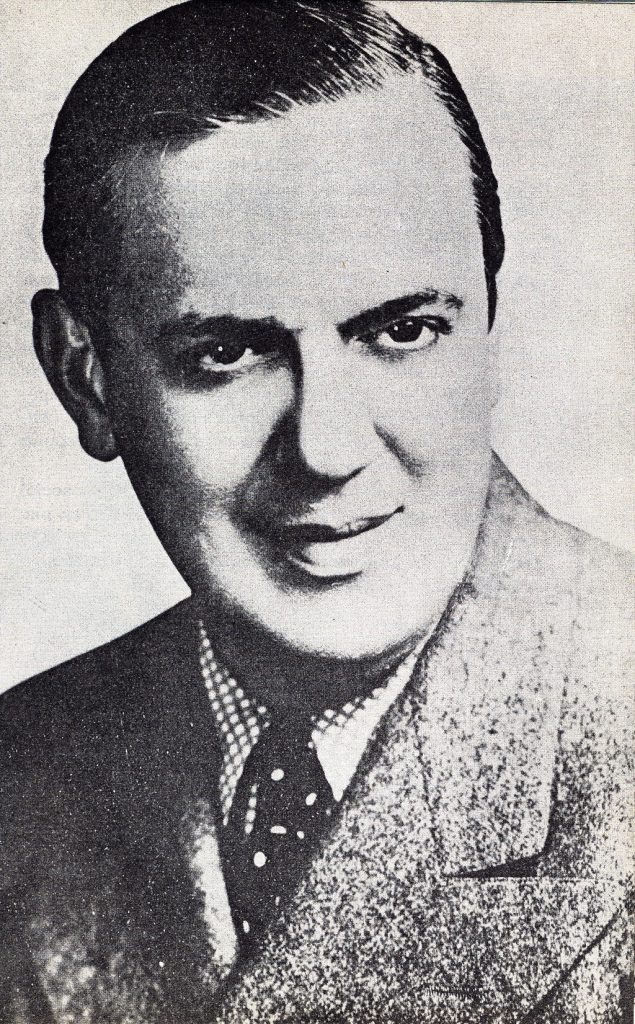
Pianist, educator, and Piano Adventures co-creator Dr. Randy Faber joins Jennifer Snow to discuss sparking intrinsic motivation, nurturing creativity, and helping students discover the artist within. An inspiring conversation on how piano teaching can transform lives and communities.
We are excited to announce our third season of the Piano Inspires Podcast. To learn more, visit pianoinspires.com. Listen to our latest episodes on Apple Podcasts, Spotify, YouTube, or our website!
The Piano Inspires Podcast is back for an extraordinary third season, launching September 24, 2025! Each week, we invite you into candid, inspiring conversations with pianists, educators, and visionaries whose artistry and ideas are shaping the future of music.
Hosted by the Frances Clark Center, the Piano Inspires Podcast goes beyond the concert stage to explore the human stories behind the music. You’ll hear from legendary performers sharing career-defining moments, influential teachers revealing their most effective approaches, and thought leaders reflecting on music’s power to transform lives and communities.
Season 3 continues our tradition of presenting a vibrant mix of perspectives—teachers, leaders, composers, and more. Expect insightful discussions about creativity, teaching, performance, advocacy, and the joy of making music at every stage of life.
This season’s guests include:
Randy Faber
E. L. Lancaster
Alvin Chow & Angela Cheng
Michelle Cann
Pam Pike
Gary Ingle
Brian Chung
Craig Sale
Gayle Kowalchyk
John Ellis
Jody Kerchner
Janet Lopinski
Brian Shepard
Louis Nagel
Wilfred Delphin
Logan Skelton
Julie Jaffee Nagel
Stanford Thompson
Roberta Rust
William Westney
Tracy Cowden
Chris Norton
Carol Leone
Tony Caramia
Chris Fisher
Jerry Wong
Whether you are a pianist, a music educator, or someone who simply loves the piano, Season 3 offers a wealth of stories, wisdom, and inspiration to deepen your connection with music.
Mark your calendar for September 24—and join us each week as we discover together how the piano inspires.
Randy FaberEL LancasterAngela Chen and Alvin ChowMichelle CannPamela PikeGary IngleBrian ChungCraig SaleGayle KowalchykJohn EllisJody KerchnerJanet Lopinski Brian ShepardLouis NagelWilfred DelphinLogan SkeltonJulie Jaffee Nagel Stanford ThompsonRoberta RustWilliam WestneyTracy CowdenChris NortonCarol LeoneTony CaramiaChristopher FisherJerry Wong
You might like…
How do you teach measure groupings (hypermeter) to your intermediate-level students?
Only current subscribers can view this content. Subscribe now. Username Password Remember Me Forgot Password
The Autumn 2025 issue of Piano Inspires Kids is available now! Click here to receive the issue and give the gift of music to the musicians in your life! Keep reading for a sneak peek into the Autumn Issue.
We’re thrilled to announce the release of the Autumn 2025 issue of Piano Inspires Kids—our most imaginative adventure yet! The theme is “Time Travel through the ’25s”, where we invite you to step into a time machine and explore what piano life looked like in 1725, 1825, 1925, and today.
What You’ll Discover Inside:
Piano Lessons Across the Centuries – What was it like to take piano lessons in 1725 compared to 1925? Find out how teaching, practice, and even pianos themselves have changed.
Daily Life in the ’25s – Compare fashion, transportation, schools, and more through four fascinating eras.
New Music! – Play The Roaring ’20s, a lively new piece by Catherine Rollin, inspired by jazz and dance from the 1920s.
SMART Goal Setting – Kick off your new school year with a practical guide to setting goals you can achieve at the piano.
Reader Poll – If you could time travel, would you go back to the past or forward to the future? We want to hear from you! Share your answer here → kids.pianoinspires.com/submit.
Whether you dream of wearing 18th-century wigs, riding a horse-drawn carriage to your lesson, or swinging to jazz in the 1920s, this issue will take you there—while inspiring your own musical journey in 2025.
Don’t miss this special issue filled with history, imagination, and new music to play. Open your Autumn issue today and start your adventure through time!
Want to learn more about Piano Inspires Kids? Watch our webinar, “Inside Piano Inspires Kids: A New Publication of the Frances Clark Center” with Co-Editors-in-Chief Sara Ernst and Andrea McAlister: click here.
We would like to thank Regina McAllen, Jean Parsons, Terri Hlubek, and Marianne and Peter Lauffer for tributes shared here with this announcement of the Phyllis Lehrer Piano Pedagogy & Artistry Fund. Phyllis’ legacy as a teacher, mentor, pianist, and colleague is unquestionable. We are honored to celebrate her work through the creation of this new fund in her name. To donate to the fund, click here. Learn more below!
Phyllis Lehrer
For nearly fifty years, Phyllis Lehrer has shaped the field of piano education through her teaching, mentorship, publications, and leadership. Her influence spans generations, touching the lives of her students and the countless individuals they now teach. The Phyllis Lehrer Piano Pedagogy & Artistry Fund supports high-quality teacher education and student programming that reflect the values Phyllis has championed throughout her distinguished career. This includes student enrichment opportunities at The New School for Music Study, including the Program for Excellence in Piano Study (PEPS), chamber music, and other emerging initiatives that support artistic growth and educational excellence.
Created to honor her extraordinary contributions, the fund ensures that Phyllis’s legacy continues to inspire the future of piano teaching and learning. Guided by her lifelong dedication to musical excellence, educational innovation, and the transformative power of teaching, the fund provides a lasting foundation for artistic growth and professional development in piano pedagogy.
Phyllis Lehrer is truly a national treasure. This amazing woman (and her equally amazing family) welcomed me into their lives and lifted my musical standards to dazzling heights I didn’t know existed, filling my years at Westminster with artistry, laughter, and love. She’s inspired countless students around the world to chase excellence, not just notes, and represents the gold standard among teachers, musicians, and humans. I’m endlessly grateful to have been guided by her brilliance and to keep her spirit with me every time I make music.
From Jean Parsons:
Phyllis is one of the most influential teachers I have ever had. I studied with her while taking continuing education classes at Westminster Choir College for years, when they offered many excellent summer classes for teachers. Being so fortunate as to live here in Princeton, I also studied at The New School with Frances and Louise in 1972 in their teacher training program. I continued to attend every class they held for years. What dazzling women they were.
From Terri Hlubek
Phyllis Lehrer is an extraordinary teacher—I thank her for being the heart, the guide, and the inspiration behind my years at Westminster Choir College and beyond. Her passion for learning, her unwavering patience, and the joy she brought to each lesson touched me in so many ways. She believed in me before I believed in myself, and that gift will stay with me forever. Like a ripple in the water, I’m passing her gift on to my students. Thank you, Phyllis!
From Marianne and Peter Lauffer:
It is an honor to contribute to the Phyllis Lehrer Piano Pedagogy & Artistry Fund. The impact that she has had and continues to have on faculty and students at Westminster Conservatory and Westminster Choir College is remarkable. Many thanks to The Frances Clark Center for spearheading this important initiative.
This month, we celebrate landmark recordings of pop hits and spirituals, and we remember a pioneering composer for prepared piano and a vibrant singer whose influence extends to the piano community.
The Beatles By United Press International (UPI Telephoto)
September 4, 1962
The Beatles made their first studio recordings with Ringo Starr at London’s Abbey Road Studios. The band recorded some of their first hits at this session, including “Love Me Do,” and established a relationship with producer George Martin, who helped launch their album and their revolutionary career as one of the most impactful pop-rock bands of all time.
Interested in including repertoire from The Beatles’ impressive discography in your studio? Check out these book reviews from Piano Magazine with resources for lead sheets and beginner arrangements.
Composer John Cage was born in Los Angeles, California. Cage’s impactful approach to the piano pushed the boundaries of traditional compositional styles and expanded the soundscape of the instrument.
By Bogaerts, Rob / Anefo – Fotocollectie Anefo.
Cage’s Sonatas and Interludes are unique and engaging pieces to use in your studio, especially if you have students who are interested in contemporary compositional styles. For more on this topic, see this article from Piano Magazine. Plus, be sure to subscribe to PianoInspires for the latest innovative and dynamic content from the piano community.
Soprano Jessye Norman passed away after a long and vibrant career of performing and teaching. Norman’s voice was a “grand mansion of sound” with “enormous dimensions, reaching backward and upward. It opens onto unexpected vistas. It contains sunlit rooms, narrow passageways, cavernous halls.” Such were the high praises of music critic Edward Rothstein of The New York Times,1 and his sentiments were echoed by the music community.
Jessye Norman By Gotfryd, Bernard, photographer
Norman performed and recorded art songs, operas, and spirituals, including Great Day by Thomas H. Kerr, Jr. Two of Kerr’s works for solo piano have recently been published by Piano Education Press and can be found at the links below.
Subscribers to Piano Inspires have access to eight video series featuring performances and teaching demonstrations from the piano community. To learn more about these video series and to get a sneak peek into a few of these series, keep reading! Not a subscriber? Subscribe now to watch these inspiring and informative videos!
Leading experts and nationally recognized teachers share best practices in piano education through video teaching demonstrations. Teaching demonstrations will include a wide array of lesson content and students at all levels, beginner through advanced.
Featured video: Teaching and Performance of Elementary Student by Leah Claiborne
Thank you to Yeeseon Kwon, Director of Institutional Engagement at The Frances Clark Center of Piano Pedagogy, for this insightful article on the year ahead for the Peer Connections and Collegiate Connections programs. Interested in attending a Peer Connections event? Register for our first event on October 10, 2025 at 11:00 am Eastern by clicking here.
What a summer of opportunities, celebrations, and innovations for Peer Connections and Collegiate Connections! The Piano Conference: NCKP 2025 Online in June showcased the winning 2025 Collegiate Connections group presentations for an international audience, after their featured live presentations in April.
Collegiate Connections is a professional engagement initiative for students and faculty that supports the innovative work of emerging leaders, scholars, and artists. The program provides opportunities for collegiate groups and classes to submit term and annual projects to be showcased in an online national event. This is a unique opportunity for selected groups of students to have their class projects featured by The Frances Clark Center in a live webinar event.
As the new academic year launches, consider your coursework and areas of research, scholarship, literature and performance, community partnership projects to explore with classmates, peers, and advising faculty. Be sure to submit a group proposal this year for consideration and practice the art of collaboration and share your innovative work!
New Professionals at The Piano Conference: NCKP 2025.
There was a wonderful presence of new professionals at The Piano Conference: NCKP 2025 In-Person in July, where the level of professional engagement and community was off the charts! Be a part of Peer Connections this year and attend these quarterly professional and community engagement events for young professionals to meet and begin building a broader professional network.
Wherever you are in your professional path or a course of study, we can share ways to advance your professionalism, discuss strategies for fostering professional well-being, and ways to get involved in opportunities at The Frances Clark Center. This is a welcome and inclusive space to discuss and learn from one another on relevant topics developed by a global network of peers.
We invite you to the first Peer Connections event this fall and to continue the thoughtful reflection and energy from the 2025 Summit on Sustainability and Innovation during The Piano Conference: NCKP 2025 In-Person in July. Hear from Summit participants as they share the bold, forward-thinking ideas they developed to reimagine the musician’s role in creating a more sustainable and innovative future. From fresh approaches to education and performance to community-driven change, these “big ideas” are designed to inspire action and spark new possibilities.
Register here for the first Peer Connections gathering on Friday, October 10, 2025: Peer Connections— Musician as Change Agent: Reflections from the 2025 Summit on Sustainability and Innovation. Whether you attended the Summit or not, please join us as we connect, reflect, and envision your own path as a change-making musician.
I look forward to your participation in the 2025-2026 Peer Connections events and your group participation in the CollegiateConnections program. Best wishes to your school year, and I look forward to seeing you in these virtual spaces!
Dr. Yeeseon Kwon is the Director of Institutional Engagement at The Frances Clark Center of Piano Pedagogy.
MORE ONPEER CONNECTIONS AND COLLEGIATE CONNECTIONS
We would like to thank Carla Salas-Ruiz for this insightful article on The New School for Music Study’s upcoming events and offerings this year. Learn more about the NSMS by clicking here.
The New School for Music Study.
“Every child can know the joy of making music at the piano.” — Frances Clark, Co-Founder
The New School for Music Study (NSMS), the flagship school of The Frances Clark Center for Keyboard Pedagogy, has been a national leader in piano teaching, learning, and performance for more than six decades. Founded on the philosophy of Dr. Frances Clark, whose transformative contributions reshaped music education in the twentieth century, NSMS continues to amplify the power of music-making for students of all ages and backgrounds.
This year, we are proud to celebrate 65 years of artistry, community, and innovation with a season filled with concerts, lectures, professional development, and joyful gatherings. Each event in the 2025–2026 season reflects the spirit of NSMS, offering opportunities to learn, connect, and be inspired through music.
Let’s celebrate 65 years together.
1) Lecture-Recital Series at Plainsboro and Princeton Public Libraries
During fall 2025 and spring 2026, faculty and students will present a series of lecture-recitals at the Princeton and Plainsboro Public Library, each highlighting unique musical and cultural traditions:
November 8, 2025 – Carnival of the Animals by Camille Saint-Saëns Dr. TianYi Lin & Nathaniel Maxwell: A lively four-hands program with live music, colorful visuals, and interactive elements designed to engage audiences of all ages.
November 13, 2025 | 6:30 PM – Music, Film, and More Dr. Molly Sanford: An imaginative lecture-recital featuring piano performance and film for an entertaining evening experience.
February 28, 2026 – Piano Music of the Americas Dr. Gonzalo Aguilar: An exploration of piano repertoire spanning North, Central, and South America.
March 7, 2026 – A Journey Through Chinese Piano Music Dr. Qin Ling: A program tracing traditional influences, modern innovations, and cultural meaning in Chinese piano literature.
March 14, 2026 – Impressions of Childhood Dr. Xiaoya Gao: Whimsical and poetic piano works by composer Akira Yuyama.
March 21, 2026 – American Voices: Celebrating Heritage & Women in Music Featuring members of the Program for Excellence in Piano Study students, in honor of the U.S. Semiquincentennial and Women’s History Month.
Faculty member Amy Glennon works with young students at NSMS.
2) Faculty Concert Series 2025–2026
Gratitude in Music: Celebrating Community and Legacy
In partnership with Nassau Presbyterian Church and Stonebridge at Montgomery, this special five-concert faculty series reflects on our roots and looks toward the future. The programs include solo repertoire, duets, chamber music, and Stonebridge resident-selected favorites.
October 5, 2025 – Gratitude for Our Musical Roots Nassau Presbyterian Church
December 20 , 2025 – Gratitude for Community and Collaboration Stonebridge at Montgomery
February 1, 2026 – Music That Moves Us Nassau Presbyterian Church
February 21, 2026 – Music That Moves Us Stonebridge at Montgomery
April 11, 2026 – A World United in Music Stonebridge at Montgomery
3) Piano Teacher Engagement Series: Teaching Together. Learning Together.
NSMS is excited to introduce the Piano Teacher Engagement Series—a year-long program of interactive seminars designed to inspire, inform, and engage piano teachers in all stages of their professional journey. Grounded in the pedagogical values of artistry, research, and community, this series brings together leading voices in the field for meaningful dialogue and practical insight.
Featuring 3 Guest Residencies
Dr. Susanna Garcia – November 5, 2025
Dr. J.P. Murphy – January 28, 2026
Dr. Diana Dumlavwalla – April 15, 2026
Additional Invited Lectures
Fiorella Araya-Cheng
Chiung-Yin Cheng Liu
Ingrid Clarfield
Jason Gallagher
Chiu-Ling Lin
Phyllis Lehrer
Nancy Modell
Danette Whelan
2025–2026 Sessions at a Glance
October 8 – Invited Lecture: The Art of Teaching: Then, Now, and Beyond Phyllis Lehrer & Carla Salas-Ruiz
October 22 – Empowering Parents: A Guide to Piano Learning Support Rebecca Pennington
November 5 (Guest Residency) – Start Early: Teach Two-Handed Coordination with Success Susanna Garcia
November 19 – Tech-Savvy Teachers: Social Media, Marketing, and Organizational Tools Molly Sanford
December 10 (Invited Lectures) – Studio Success: Mastering Management & Publicity Fiorella Araya-Cheng, Chiung-Yin Cheng Liu, Jason Gallagher, Chiu-Ling Lin, & Danette Whelan
January 14 – Motivating Minds: Understanding Child Psychology in Teaching Carla Salas-Ruiz
January 28 (Guest Residency) – Overlooked Albums for the Young J.P. Murphy
February 11 – Reaching Adult Learners: Insights from a Panel Moderators: Rebecca Pennington & Carla Salas-Ruiz | Panelists: NSMS Adult Students
February 25 – How Research Informs Great Teaching: Human Studies in Action Carla Salas-Ruiz
March 18 – Invited Lecture: Exploring Chamber Music Works for Young Pianists Phyllis Lehrer
April 15 (Guest Residency) – Motivate, Customize, Inspire: Refreshing the Vibe in the Modern Piano Studio Diana Dumlavwalla
April 29 – Teaching Strategies from the Classroom: What Works and Why Rebecca Pennington
May 13 – Inclusive Piano Teaching: Embracing Neurodiversity Rebecca Pennington
May 27 – Invited Lecture: The Joy of Discovering and Teaching Rare Recital Treasures Ingrid Clarfield
June 3 – Invited Lecture: Thriving Through Burnout (Panel) Nancy Modell, Danette Whelan, & NSMS Faculty
4) Special Community and Student Events
Our 65th anniversary year is filled with opportunities for students, families, and the community to gather, share, and celebrate music together:
September 28, 2025 – Ice Cream Social & Open House Music, laughter, and community fun to kick off our 65th year.
October 18, 2025 – Music Around the World Student Recital
October 25, 2025 – Spooky Sounds Student Recital
December 6, 2025 – Musical Merriment Student Recital
April 25, 2026 – Silent Film Celebration
May 16–17, 2026 – Recital Celebration Weekend
5) Donor Spotlights, Alumni Features, and Behind-the-Scenes Stories
Throughout the year, our digital platforms will shine a light on the people and stories behind our mission:
Donor Spotlights – Meet those who help our work thrive.
Alumni of the Month – Celebrate the journeys of our graduates.
Day in the Life – Step inside the experiences of our students, faculty, and staff.
NSMS faculty members Carla Salas-Ruiz, Rebecca Pennington, and Molly Sanford.
6) Stay Connected All Year
Be part of the celebration! Follow our 65th year through our website and social media:
Celebrate the beginning of the school year with our sitewide sale at PianoInspires.com! For a limited time, enjoy 20% off everything—from inspiring books and resources to exclusive merchandise and more. Don’t miss this chance to stock up on your favorites and discover something new, all at a special discounted price. Shop now and let your musical journey be inspired! Discount codes valid through Sunday, September 14, 2025 at 11:59 PM Pacific.
Give the gift of music to today’s young pianists! Subscribe to Piano Inspires Kids and explore the world through the music, cultures, and people that connect us to one another. Subscribe today to receive the special introductory price. Individual and group rates available in the US and internationally. Enter code BACK2SCHOOLat checkout for 20% off.
Subscribe in time for the Fall issue! Piano Magazine is an innovative publication, dedicated to engaging our community in the world of piano teaching, learning, and performing. Every issue features dynamic content related to all aspects of our piano community. Enter codeBACK2SCHOOLat checkout for 20% off.
This course offers teachers practical pedagogy for the teaching and performance of select piano repertoire by Black composers Valerie Capers, Ignatius Sancho, Chevalier de Saint-Georges, Harry T. Burleigh, Estelle Ricketts, and R. Nathaniel Dett. Enter code BACK2SCHOOLat checkout for 20% off.
Introducing Pieces with Purpose offers teachers practical pedagogy for the teaching of elementary repertoire to beginning piano students. Enter code BACK2SCHOOL at checkout for 20% off.
Teaching Adults in Groups offers teachers practical pedagogy for the teaching of group lessons with adult students. Topics include the benefits of group teaching, the teaching of diverse levels in adult groups, the teaching of rhythm, and performance. Enter code BACK2SCHOOLat checkout for 20% off.
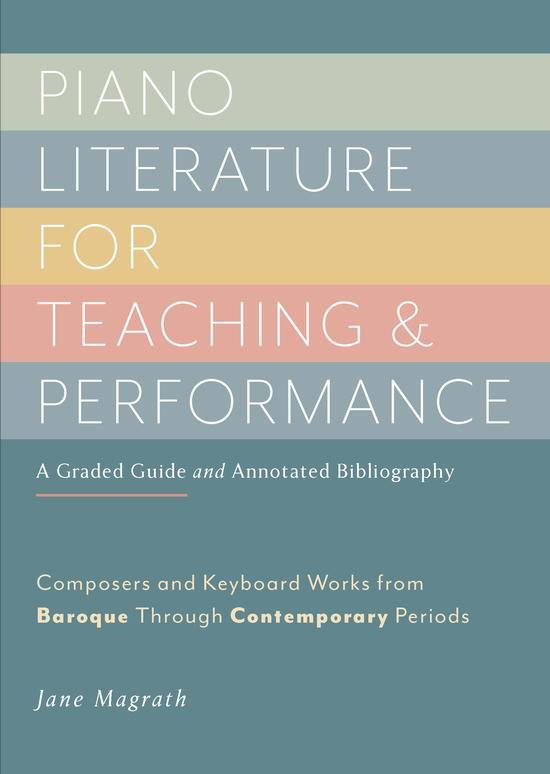
Jane Magrath’s book is an invaluable resource for teachers and performers alike. If you are looking to broaden your repertoire selections for the coming school year, use code BACK2SCHOOL to receive 20% off this essential text.
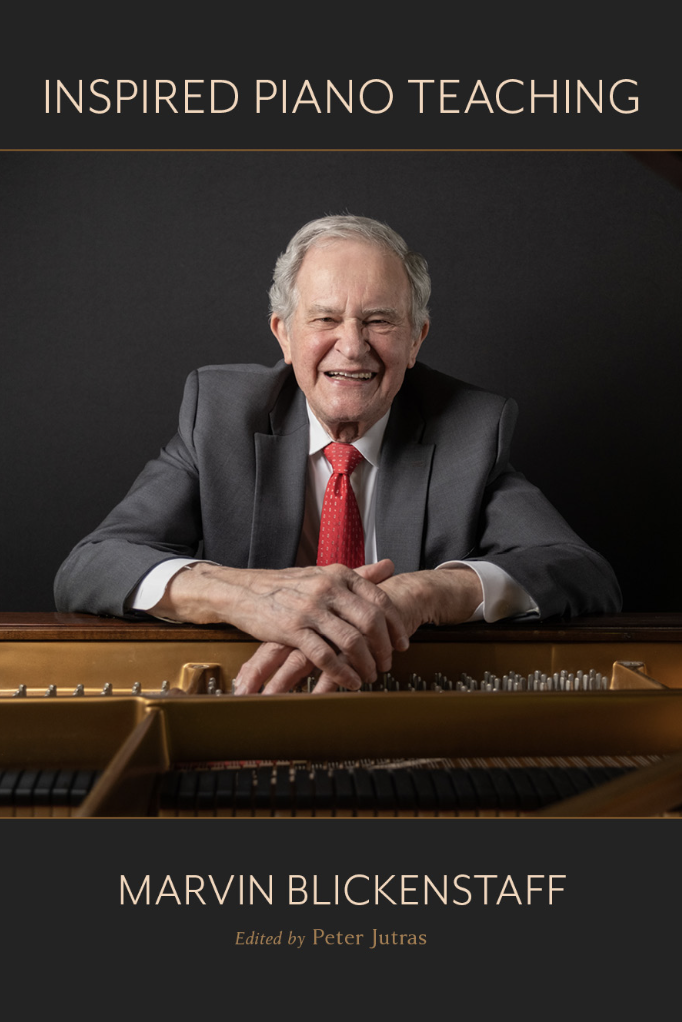
Inspired Piano Teaching is filled with practical advice on teaching students of all levels. It is dedicated to keeping inspiration and artistry alive for every student in every lesson. This is a book to be experienced, to be consumed, to be internalized—so that teachers can, in turn, pass musical and artistic concepts to students. Use code BACK2SCHOOLat checkout for 20% off.
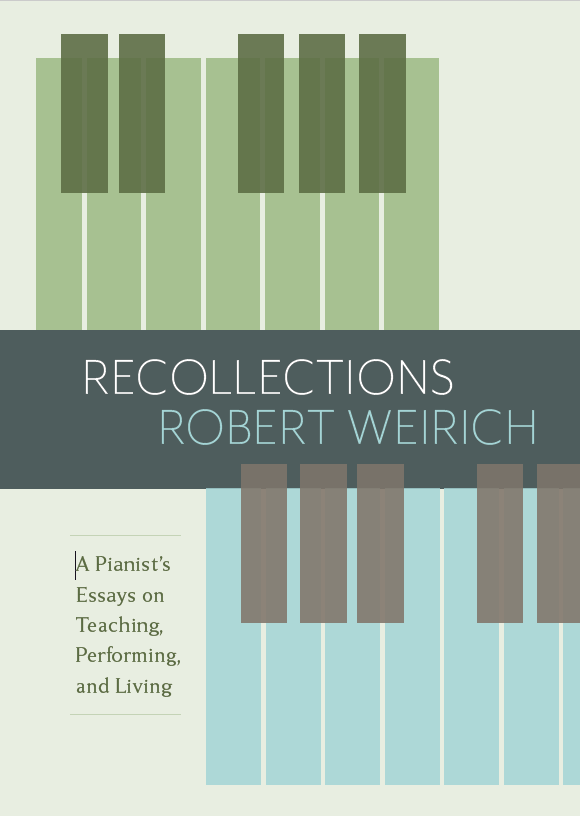
Robert Weirich provides a collection of essays written over the past four decades. Recollections explores pursuing a career as a musician and the successes and failures that occur throughout this journey. Use code BACK2SCHOOLat checkout for 20% off.
The month of August is a time of beginnings as a new academic year begins—children go back to school, and piano studios fill with new students eager to play. Read below to discover more about piano history in the month of August including the birth of two important composers, the completion of a major symphonic work, and the death of a legendary pianist.
Cuban composer, Ernesto Lecuona.
August 7, 1896
Cuban composer Ernesto Lecuona was born in Guanabacoa, Havana, Cuba on August 7, 1896.1 Famous for his numerous pieces for piano based on Cuban dances and songs, Lecuona was a talented pianist and composer. Studies at the National Conservatory in Havana in 1913 led to additional studies with composer Joaquín Nin, as well as travel throughout the world to perform.2 His music has been championed by pianist Thomas Tirino, whose editions and recordings are a useful resource for anyone wanting to learn more about Lecuona’s music. Among his most popular works is the Suite Andalucia, which includes the famous selection titled “Malagueña.” Interested in learning more about music from Cuba? Read this article by Elizabeth Borowsky to learn more about her experience connecting musically with others in Cuba:
On August 10, 1788, Mozart finished the Symphony No. 41 in C Major, K. 551, nicknamed “Jupiter.” The last symphony that Mozart wrote, it is one of his crowning achievements, demonstrating his ingenious approach to form and counterpoint. This four-movement work concludes with a remarkable finale that includes an impressive fugato coda. The work has become one of his most popular in the symphonic realm, alongside his Symphony No. 40 in G Minor, K. 550. Are you working on or teaching music by Mozart? Learn tips about Mozart’s style and his Fantasie in D Minor, K. 397 in this video by pianist Sean Schulze.
Born in China on August 18, 1957, Tan Dun is an American composer well known for his compositions that blend Western and Eastern musical elements.3 He studied at the Central Conservatory of Music in Beijing before moving to the United States and completing his doctoral degree at Columbia University.4 Among his many achievements are winning an Academy Award for Best Original Score (Crouching Tiger, Hidden Dragon) and a Grawemeyer Award in Music Composition. His piano work Eight Memories in Watercolor is particularly popular, and was performed by Lang Lang in Carnegie Hall in 2003. Interested in learning more about this composition? Yu Han’s prizewinning article discusses the cultural and practical implications of this work. Read more by clicking here.
On August 22, 1976, Greek pianist Gina Bachauer passed away in Athens, Greece. A graduate of the Athens Conservatory and the Ecole Normale in Paris studying under Cortot, she traveled around the world performing with orchestras such as those in Paris and Athens, along with tours throughout the United States.5 During World War II, she performed hundreds of concerts for allied troops in Egypt.6 Her incredible career and legacy resulted in the establishment of the Gina Bachauer International Piano Foundation, founded in 1976.
Now that The Piano Conference: NCKP 2025 has passed, we would like to thank Janna Peña and Anthony Ty for this insightful post about their experience as new professionals at the conference. Look for news about The Piano Conference: NCKP 2027 in fall 2026!
New professionals, including Anthony Ty and Janna Peña at The Piano Conference: NCKP 2025.
Attending The Piano Conference: NCKP 2025 was a meaningful experience: inspiring, grounding, and energizing. As new professionals, we arrived with a sense of excitement and a few quiet nerves. But we left with renewed confidence, a handful of practical tools, and a beautiful community. Here are some of the highlights of what we learned:
1. Everyone Has a Seat at the Table and Creative Ideas Thrive in Community
Janna: The Innovation Summit was a reminder that no matter where we are in our careers—just starting out, running a successful independent studio, or leading higher education—we share similar goals, hopes, and challenges. The summit emphasized belonging in the piano teaching community. It reminded me that we don’t have to follow a rigid blueprint for success. Instead, we can lean into our unique voices and carve out a space that reflects our passions and values.
One major takeaway from the summit was that innovation doesn’t happen in isolation. When we shared ideas in breakout groups, whether for community projects, student engagement, or performance opportunities, we found that encouragement from peers and mentors helped transform abstract visions into real possibilities. The pressure to “prove” myself faded in those moments, replaced by a new sense of motivation and purpose.
Anthony: The Innovation Summit helped me realize just how global our profession truly is, and how much impact piano teachers have on the world. When teaching privately, it’s easy to feel isolated and fall into the mindset of “we’re just piano teachers.” But through brainstorming sessions, workshopping ideas, and engaging in design-thinking projects, I was reminded of the profound power we hold as educators. It was a powerful experience to recognize that, as piano teachers, we all contribute to something far greater than just our individual studios.
2. Concert Repertoire Can Be Diverse and Deeply Engaging
Janna: The Celebration Concerts were a real highlight of the conference. What stood out most was the diversity, not only in the styles of music but in the stories and identities of the performers who brought them to life. There was everything from classical to jazz to contemporary to pieces by underrepresented composers, and every performance felt intentional and deeply expressive. It reminded me that great music doesn’t have to fit into one box. Whether it was something familiar or completely new, the music connected with the audience in a powerful way. As both performer and teacher, it encouraged me to continue expanding my musical horizons and to share works that reflect a broader range of voices and stories.
Anthony: The spotlight on underrepresented composers and music extended past the concerts and into the conference programming. Learning about composers and works from Vietnam, Colombia, Cuba, Guatemala, and more, inspired me to explore my heritage and seek out active composers in our community whose music I can perform and teach, moving beyond the standard repertoire I often find myself relying on year after year.
3. Behind Every Great Performance Is Great Teaching
Janna: The teaching demonstrations gave a rare glimpse into the journey behind the stage. Watching experienced teachers work with students was powerful. Their patience, flexibility, and creative use of tools highlighted the importance of process over product. It inspired me to embrace the long game in my own teaching, trusting that with consistency and genuine care, my students will thrive.
Anthony: One other observation that stood out was the emphasis on individuality in teaching and working with students. Each student-teacher dynamic was unique, and every teaching style varied, which reinforced the importance of watching other educators in action. As individual teachers, it’s easy to fall into a familiar routine, but witnessing different approaches serves as a reminder that there is no single “right” way to teach. Each teacher brings their perspective and methodology, and embracing this diversity in teaching styles only enriches our collective understanding and approach.
4. Resources We Never Knew We Needed
Janna: The showcases and Exhibit Hall were treasure troves of discovery. I found everything from method books I hadn’t heard of to adaptive tools like the Athena keyboard with narrow keys. Digital platforms like SuperScore opened up new possibilities for interactive teaching. As a new professional still building my toolkit, it was empowering to see how many innovative resources are out there to support both educators and students.
Anthony: There’s something special about picking up books, activities, and tools in person. It’s just not the same as looking at them online. Honestly, I think we all miss the days of wandering through in-person music stores, and the Exhibit Hall gave me that “kid in a candy store” feeling. However, it wasn’t just great for discovering new products, but also provided a chance to talk with the exhibitors and hear about their latest innovations. Those conversations gave me fresh ideas and got me thinking about what I could bring into my teaching.
5. Finding Our Community
Networking events like the New Professionals Pizza Party were more than just social breaks. Meeting others at a similar stage of their careers, sharing laughs about the same teaching challenges, and dreaming about future collaborations gave a sense of camaraderie. Throughout the conference, we also met seasoned professionals whom we each now consider potential mentors. These relationships are what we’re most excited to carry forward after the conference.
Janna: As an international student, it felt especially meaningful to find a seat at the table. At the start of the Innovation Summit, one of the interactive activities was placing a sticker on a world map to mark where we first began learning the piano. Seeing dots from across the globe was incredibly moving. Despite our varied backgrounds, we all carried the same deep-rooted love for music and a shared vision for the future of piano teaching. In that moment, I truly felt part of a community that celebrates diverse journeys and welcomes fresh voices.
Anthony Ty: As a recent graduate, this conference provided an invaluable opportunity to reconnect with a professional community that can sometimes feel lost after leaving college. Especially when teaching privately, it is easy to feel isolated, disconnected from the collaborative environment in school. The chance to engage with fellow piano teachers who share similar goals and motivations was both invigorating and inspiring, offering a renewed sense of energy and purpose.
Final Thoughts
Attending The Piano Conference: NCKP 2025 was a beautiful opportunity to reflect on why we, as piano educators, do what we do. As new professionals, we often struggle with building our identity in a field where experience is highly valued, but this conference reminded us that growth isn’t about achieving perfection; it’s about continuing to evolve with others.
The connections made at the conference reinforced that we are all part of a larger, vibrant community. From seasoned professionals to those just beginning their journey, the exchange of ideas and stories highlighted the importance of shared experiences. Every teacher, regardless of their experience level, brings something unique to the table.
By coming together to learn, connect, and reflect, we were reminded of the profound impact we have as pianists and educators. This four-day conference has left us inspired to continue growing as pianists, reinvesting in our own artistry so we can better model curiosity, creativity, and resilience for those we teach. We also move forward with a deeper passion for nurturing our students and a commitment to helping them discover their own voice and love for music in a world that can often feel uncertain.
We would like to thank Molly Gebrian for this article about interleaved practice. To read the full article from the summer issue of Piano Magazine, click here.
Most of us practice using a blocked practice method: we work on one thing for a large block of time before moving on to something else. We typically don’t revisit that piece or passage again until the next day because we’ve done our practice on it for the day. In contrast to blocked practice, interleaved practice entails constantly switching between different pieces or passages, and coming back to them repeatedly throughout a practice session or day. Rather than spending over thirty minutes on one passage, you might spend 5–10 minutes on it before working on something else for a while, then return to the initial passage for 5–10 more minutes, take another break to work on other pieces, and finally return to the first passage once more for 5–10 minutes.
On the face of it, interleaved practicing sounds incredibly chaotic and unfocused and might seem unlikely to lead to any performance gains, but research shows otherwise. For example, in a study on baseball players who were trying to improve their batting average, the athletes were split into two groups: the blocked practice group and the interleaved practice group.1 The blocked practice group hit different types of pitches in blocks of fifteen which included fifteen fast balls, fifteen curve balls, and fifteen change-up pitches. In contrast, the interleaved practice group hit forty-five total pitches, but the order was completely random. They never knew what they would get from one pitch to the next.
While they were practicing, it looked like the blocked practice group was doing better. This makes sense—they knew what was coming at them and they just had to hit the same kind of pitch repeatedly. The interleaved practice group, on the other hand, had to adjust on the fly, which is much more difficult. However, when the baseball players were brought back two days later to test how much their hitting had improved, the blocked practice group had made a 25% improvement, whereas the interleaved practice group had made a 57% improvement and were outperforming the blocked practice group.
Similar results were found in a study on pianists.2 In this study, the pianists all had to learn a series of short pieces that were composed specifically for the experiment. Some of the pieces were learned using a blocked practice method while others were learned using an interleaved practice method. Like the baseball players, when they had to perform all the pieces, those they had learned using an interleaved practice method were performed much more successfully.
There are countless other studies on interleaved practice which all show the same thing: interleaved practice is more effective for learning and performing well.
We hope you enjoyed this excerpt from Molly Gebrian’s article about interleaved practicing. You can read the entire article by clicking here.
Thanks to Trevor Thornton, member of the New Professionals Committee for The Piano Conference: NCKP 2025, for this post. Only a few days until the conference begins. Haven’t registered?Register for The Piano Conference today!
So, it’s your first time at The Piano Conference: NCKP. You are probably curious about what to expect. I remember the feeling well. My first NCKP changed my life, and it might change yours too. The Piano Conference has a gift for you regardless of the stage of your career, whether you are a piano performance major searching for your role in the field, an experienced teacher looking for friendships and inspiration, or a seasoned veteran who wants to leave your mark on the future of the profession. Each person will have different takeaways, but I believe we will all share these four in common:
New Performance Ideas
If you are looking for inspiration in your performance career, you can expect to gain many ideas from the presentations and performances at The Piano Conference: NCKP 2025. Several presentations this year are lecture recitals that will reveal the music of underrepresented composers. Take note! You might find yourself with an entirely new recital program by the end of the conference. There will also be performances, including evening concerts, lunchtime concerts, the New Professionals Concert, and a jazz concert. Each concert can be both inspiring and instructive, a place to learn how the performers of today shape their careers.
New Teaching Ideas
It is impossible to leave The Piano Conference without picking up hundreds of teaching ideas—some brand new and some helpful reminders. If you are a student or recent graduate, you will be drinking from a firehose of new information and perspectives. My advice? Try to absorb as much as you can, and decide what to implement or research further after the conference. One danger for us younger professionals is to pre-judge new information before understanding it, so make an effort to learn about as many approaches to teaching as possible!
New Connections
Marvin Blickenstaff talks about creating moments of expressive music-making in each lesson. He calls them “Purple Moments.” For me, the Purple Moments of The Piano Conference are the conversations with new and old conference friends and the moments of connection with like-minded colleagues. Pianists and piano teachers frequently work in isolation, making it even more important to create opportunities to deepen relationships with people who face similar challenges. You might find someone who has helpful answers to some of your professional questions! You might even meet a future employer or mentor.
Inspiration
Inspiration is subjective, but I believe it is impossible to leave The Piano Conference without a spark of it. It is incredibly stimulating to hear seasoned professionals discuss their teaching, research, and practice habits. There is a contagious level of dedication in the air. You will meet highly experienced teachers who are as passionate as ever about improving their craft. Best-case scenario, even the way you feel about your students will change as you listen to other devoted teachers speak. To paraphrase Jane Magrath’s acceptance speech for her NCKP Lifetime Achievement Award in 2019: Our students are lights that illuminate our paths, showing us the next steps in our careers. That beautiful imagery has been with me in many lessons since. I trust you will encounter similarly transformative ways of thinking at The Piano Conference: NCKP 2025. I hope to see you there!
On Wednesday, July 23rd from 8:00-10:00pm, The Piano Conference: NCKP 2025 will present the 2025 Celebration Concert featuring pianists Rochelle Sennet, Connor Chee, Alexa Stier, Carol Leone, Derek Hartman, Artina McCain, Spencer Myer, Susanna Garcia, and William Chapman Nyaho. In celebration, we are sharing this excerpt from Artina McCain’s appearance on the Piano Inspires Podcast. Interested in hearing more from McCain? Register for The Piano Conference: NCKP 2025 today by clicking here.
Artina McCain performing at NCKP 2023: The Piano Conference.
Andrea McAlister: One thing I love so much—and I ran out and got a copy as soon as it was available—is your publication with the 24 African American folk tunes. Just beautiful music.
Artina McCain: Oh, thank you.
Andrea McAlister: I think giving this gift to young students is—it’s tremendous. I just, I love the whole collection. I’ve given them out to my students. They’re all excited to play them. What does it mean to you to be able to create that for students? How did you come across this project to begin with?
Artina McCain: Oh, well, interestingly enough, I’m glad you asked that, because nobody’s ever asked me that. Way back in the day, when Piano Magazine was Clavier Companion, I was doing some reviews for some of the books that would come out for Hal Leonard, like at the beginning of my career. I actually ran into a woman who was working on the editorial staff at the time, and she said, “Hey, you want to do some reviews?” Like sure. That had to be at least a seven to eight-year difference between the time that Hal Leonard approached me. So basically, they had seen my review all those years ago, and she calls me and says, “You know, you wrote a really great review for us.” “Like eight years ago!” “You want to write a book?” “What?” That’s exactly how it happened. Wow, you never know who’s watching your work.
Artina McCain
Andrea McAlister: You never know. And that’s where perseverance also pays because you never know what’s going to come around.
Artina McCain: Right. So you know, they in the meantime have created this fantastic folk song series of books that represent people from all over the world. They said, “Oh, we want to do the African American version of this. Do you want to do it?” “No! [Laughs] I never wrote a book in my life! Are you sure that you are calling the right person?” [Laughs] So they convinced me and I’m so glad that I did because you know, those resources weren’t available for me when I was a kid. You know, maybe I could have been a singer if my mom could have found some books to encourage me. So no, it means the world. And again, I’m glad that I kind of stepped out on faith to do it because it wasn’t something that I even dreamed that I would do, or that I dreamed would come out of doing a book review, you know, like eight years prior.
Andrea McAlister: Right? You just never know who’s watching and reading and appreciating the work that you are doing.
Artina McCain: Absolutely.
Andrea McAlister: I think through this book, you have created so many people who are appreciative that you’ve done the work. That you didn’t say no.
Artina McCain: Right?
Andrea McAlister: Even though you didn’t say no initially. But they convinced you that you really should do this. Because just being able to experience things other than Clementi—I mean, I know those are all important foundational—you know, you learn a lot of foundational skills through the standard repertoire. But this is such important music to pass along to kids who are growing up now and getting excited about playing the piano, and these pieces are so exciting to play.
Artina McCain: Yeah, and familiar hopefully to many too.
If you enjoyed this excerpt from Piano Inspires Podcast’s latest episode, listen to the entire episode with Artina McCain on Apple Podcasts, Spotify, YouTube, or our website!